A five-star Sydney hotel group was losing repeat guests to front-desk wait times. They could not see the problem until they measured it, and they did not want to add more cameras to do so.
The problem
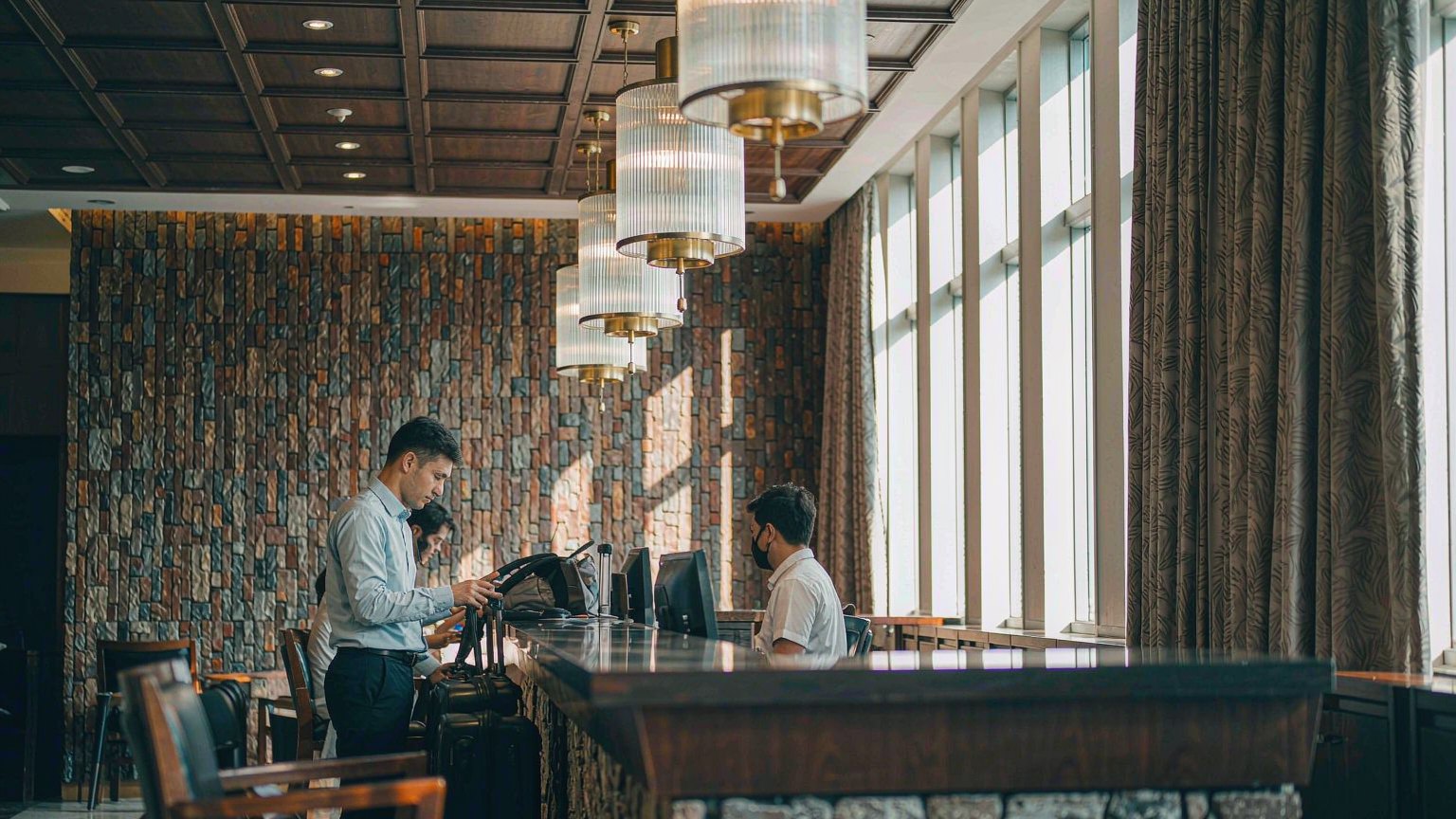
Guest reviews consistently mentioned slow check-in, but the hotel had no data on actual wait times. Staff were scheduled by intuition, not by arrival patterns. The property group considered adding cameras to "watch the queue", but the marketing and legal teams pushed back — the last thing a luxury hotel wants is a visible CCTV upgrade aimed at guests.
Our deployment
We mounted a single Canopy CU-1 in each of three lobbies, fed by the existing camera above the front desk. The edge unit ran a queue-length agent: it drew a line on the floor in the console, counted people behind it, and timed how long each person waited. When the queue exceeded two people for more than two minutes, the duty manager got a message on their phone.
Cameras were repositioned to look down at the queue line, not at guests' faces. Frames were discarded in under a second. No raw video was stored.
The result
Within six weeks the hotel had reallocated casual staff to peak arrival windows — most commonly between 2pm and 4pm on Saturdays. The duty manager stopped guessing and started reacting. Guest reviews started mentioning "fast check-in" for the first time in two years.
Implementation details
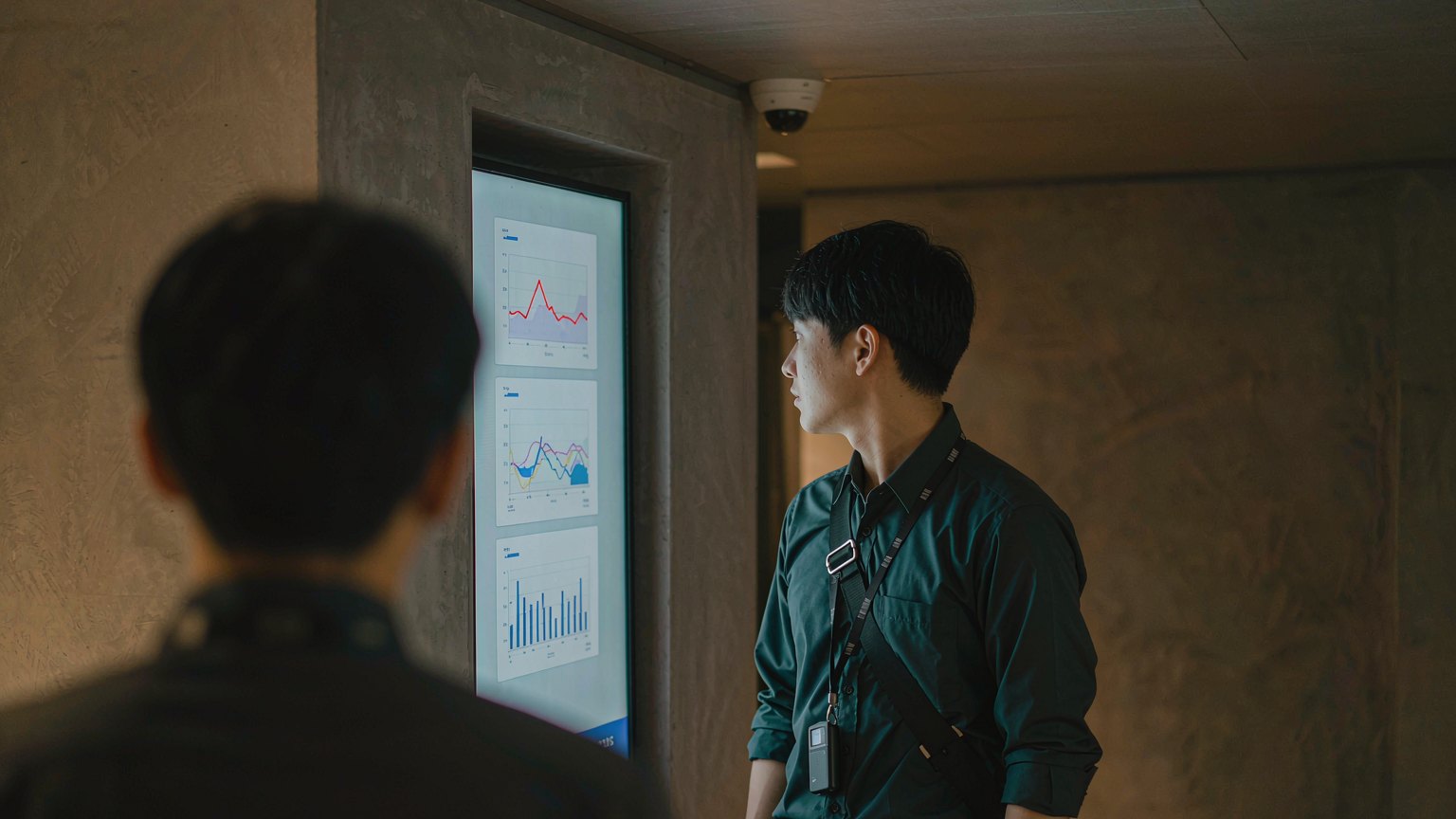
Each lobby ran a Canopy CU-1 unit on the existing VLAN, drawing RTSP feeds from three repositioned cameras. The queue agent was configured in the console by drawing a line on the floor plan; no firmware changes were required. Events were routed to the duty manager's Microsoft Teams account via a managed webhook, and aggregated counts were sent weekly to the property group's Power BI workspace.
The hotel's IT team was initially concerned about network impact. In practice, each camera contributed under 1 Mbps of RTSP traffic on the local network, and the event stream to our Sydney control plane averaged 40 kbps per site — well inside the hotel's existing WAN budget.
Staffing and reviews
Staffing moved to a fixed rule: one casual desk agent between 2pm and 4pm on Saturday and Sunday, reduced staffing on Tuesday mornings.
Reviews mentioning "wait", "queue" or "slow check-in" fell from 14% to 3% within six months. Reviews mentioning "fast" or "efficient" rose from 6% to 22%.
Ongoing support
The Canopy unit has been running in the first hotel for over a year. Firmware updates are pushed automatically and rolled back if a health check fails. We visit the site twice a year for a cleaning and inspection; the hotel's own engineers have never had to open the cabinet. The dashboard is now part of the morning stand-up.